Upload your SVG
PNG, JPG, WebP or SVG. Set the finished size and fabric.
Take a vector design towards a DST stitch plan. Preview the SVG, define the physical size and record the sewing requirements for your digitizer.
An SVG file shows what your design looks like. A DST file tells the machine how to sew it: where each stitch goes, which areas become satin, fill or running stitch, and when the thread colour changes. Hunch builds that stitch plan for you automatically and exports a DST file ready for your machine.
Included: realistic thread preview, stitch type editing, hoop sizing and export to DST.
PNG, JPG, WebP or SVG. Set the finished size and fabric.
Compare embroidery styles in a realistic thread preview and choose your favourite.
Satin, fill and running stitches are built with underlay and pull compensation.
Export DST and load it straight onto your machine.
An SVG describes shapes, fills, strokes and sometimes live text. It does not describe how the needle should travel. Keep a copy with editable objects, then prepare a self-contained version for handoff. Check clipping masks, linked images and overlapping shapes. A shape hidden behind another shape should not accidentally become an extra layer of stitches.
Outline custom fonts in your design application before handoff, and embed any linked images.
A realistic preview shows how fills, satins and colours will look on fabric before you sew.
Switch any area between satin, fill, running or cross stitch and tune density and angle.
Pick your hoop and the design is scaled to fit, ready to load on your machine.
Find inspiration for your next project in our floral, animal and seasonal collection.
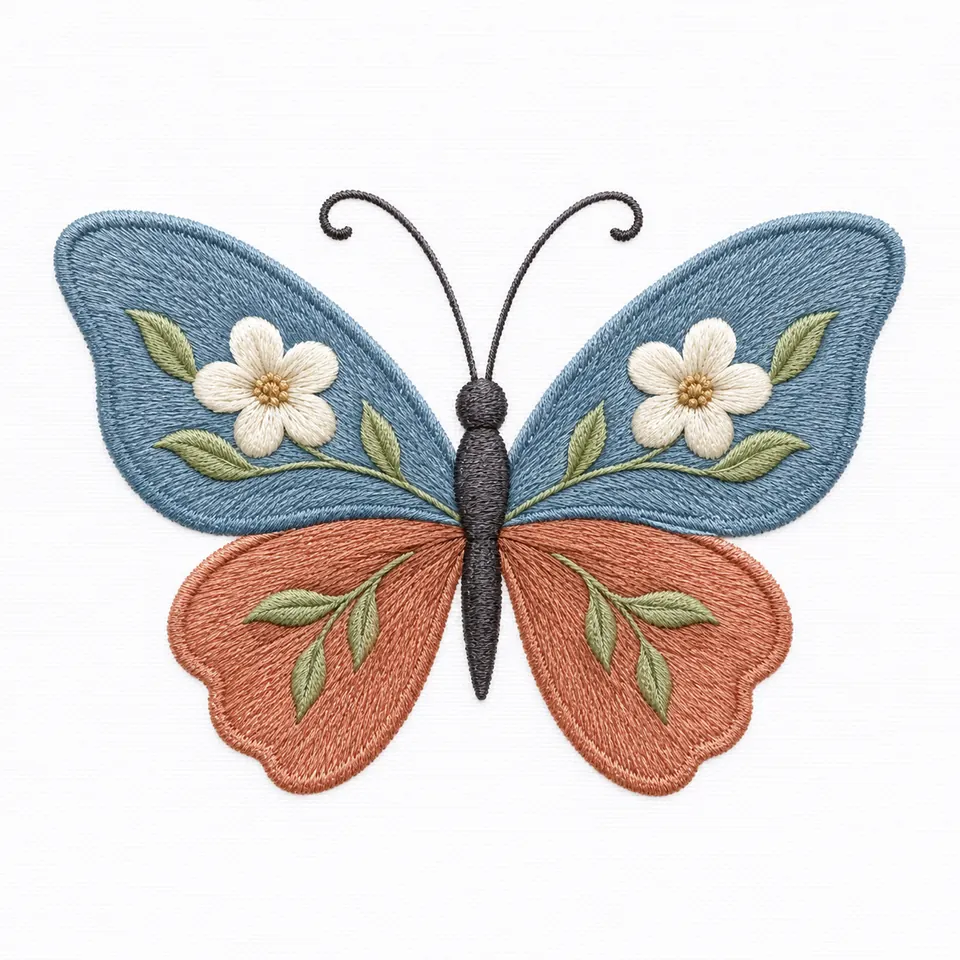 Animals
 Flowers
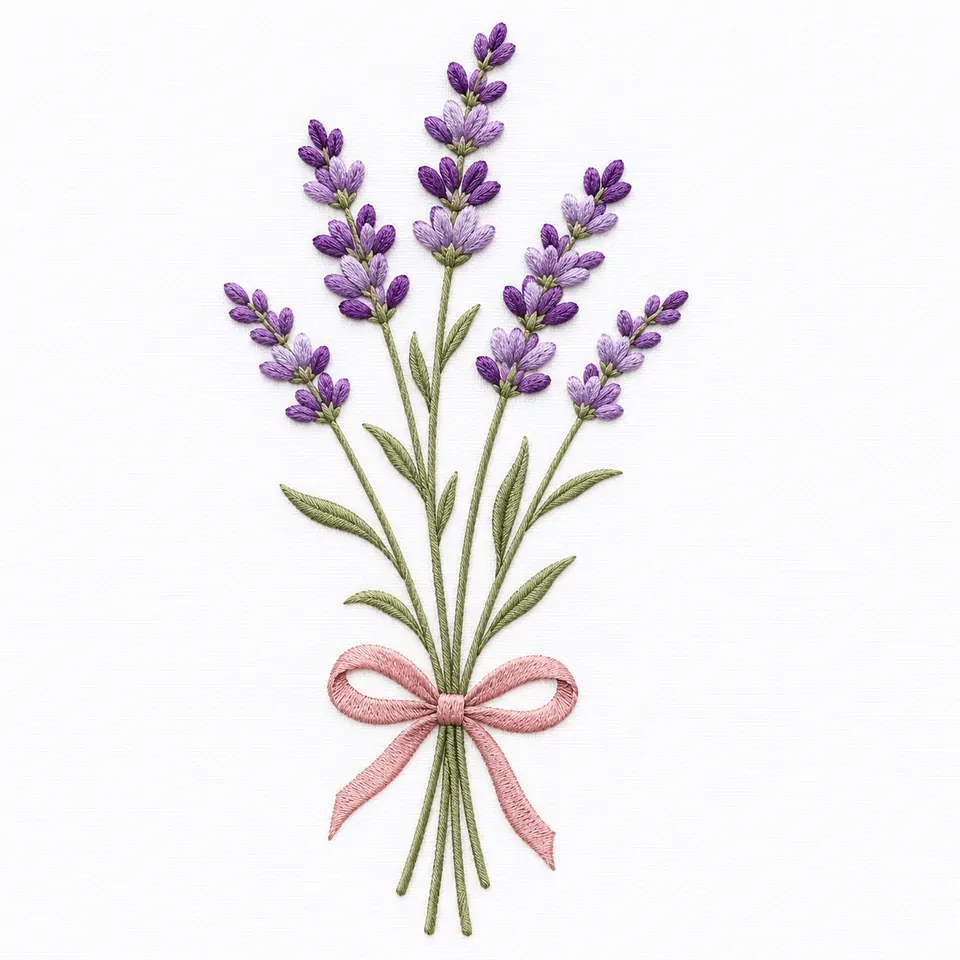 Flowers
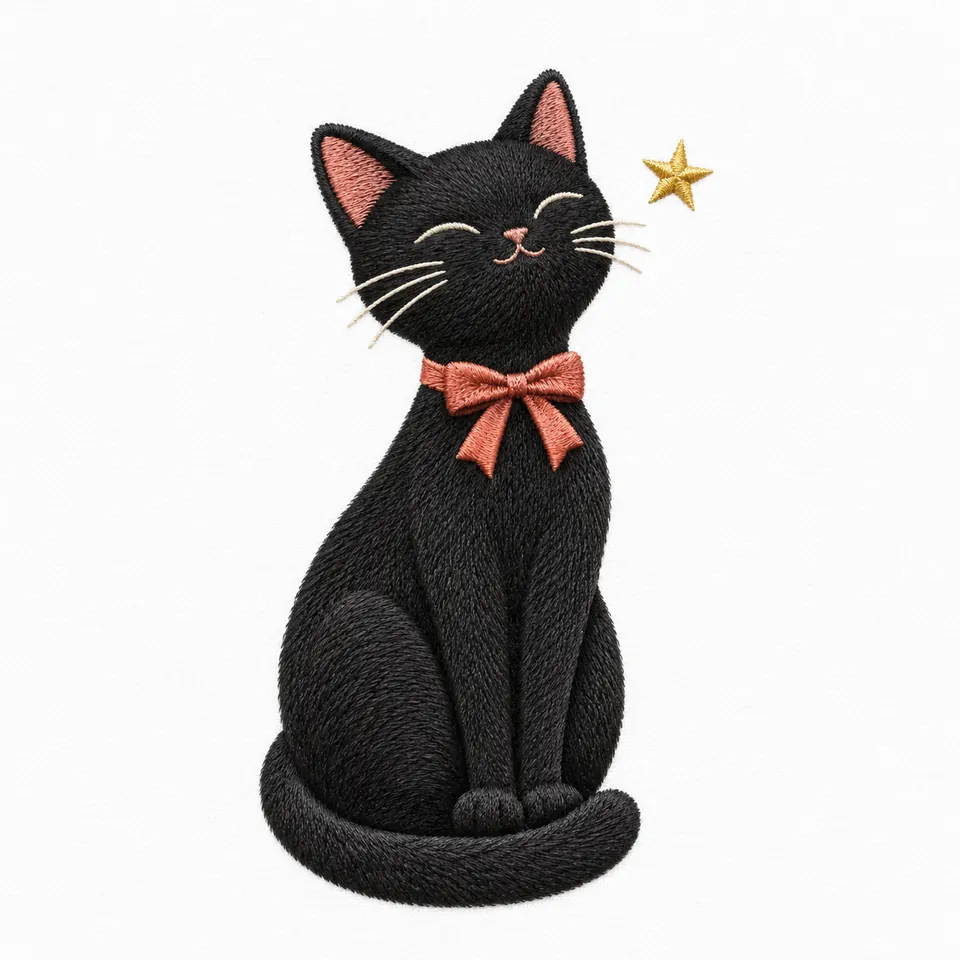 Animals
DST is associated with Tajima and is widely used in commercial embroidery workflows. A standard DST stores stitch movements and colour changes, rather than a complete thread palette. Keep a separate thread sequence with colour names and numbers. Confirm that your specific machine accepts the file and that the design fits its usable sewing area.
Keep the thread sequence beside the DST file. Screen colours in a DST viewer can be illustrative.
DST vs PES: which format do you need?Upload your SVG, set the finished size and pick the stitch version you like. Hunch auto digitizes it and you download a DST file. Run a quick test sew out before a large order.
A normal SVG is artwork, not a machine stitch program. Digitizing assigns stitch types, spacing, underlay and sewing order to that artwork, then exports the format accepted by the machine.
DST works on Tajima, Barudan, SWF, Ricoma, Melco and most commercial embroidery machines.
Yes. Switch any area between satin, fill, running or cross stitch, and adjust density, angle and underlay to suit your fabric.
Watch it sew stitch by stitch in the free stitch simulator, or open a DST in the free DST viewer to check its size and stitch count.
Ready in minutes. Nothing to install.